
PROMS Plenary 2025
The impact of PROMs in developing emerging therapies
Scientific Planning Committee co-chairs:
Daniel Ontaneda – Cleveland Clinic
Maria Pia Amato – PROMS WG 1 Co-Leader
Scientific Planning Committee co-chairs:
Elena H. M. de Lapiscina – European Medicine Agency
Kathleen Zackowski – National MS Society
Patrick Vermersch – PROMS SSC Co-Chair
Paola Zaratin – PROMS SSC Co-Chair
Anne Helme – PROMS ECT Co-Chair
Jeremy Hobart – PROMS WG2 Co-Leader
Carmen Tur – PROMS WG3 member
Paolo Cortesi – PROMS WG4 Co-leader
Session 1
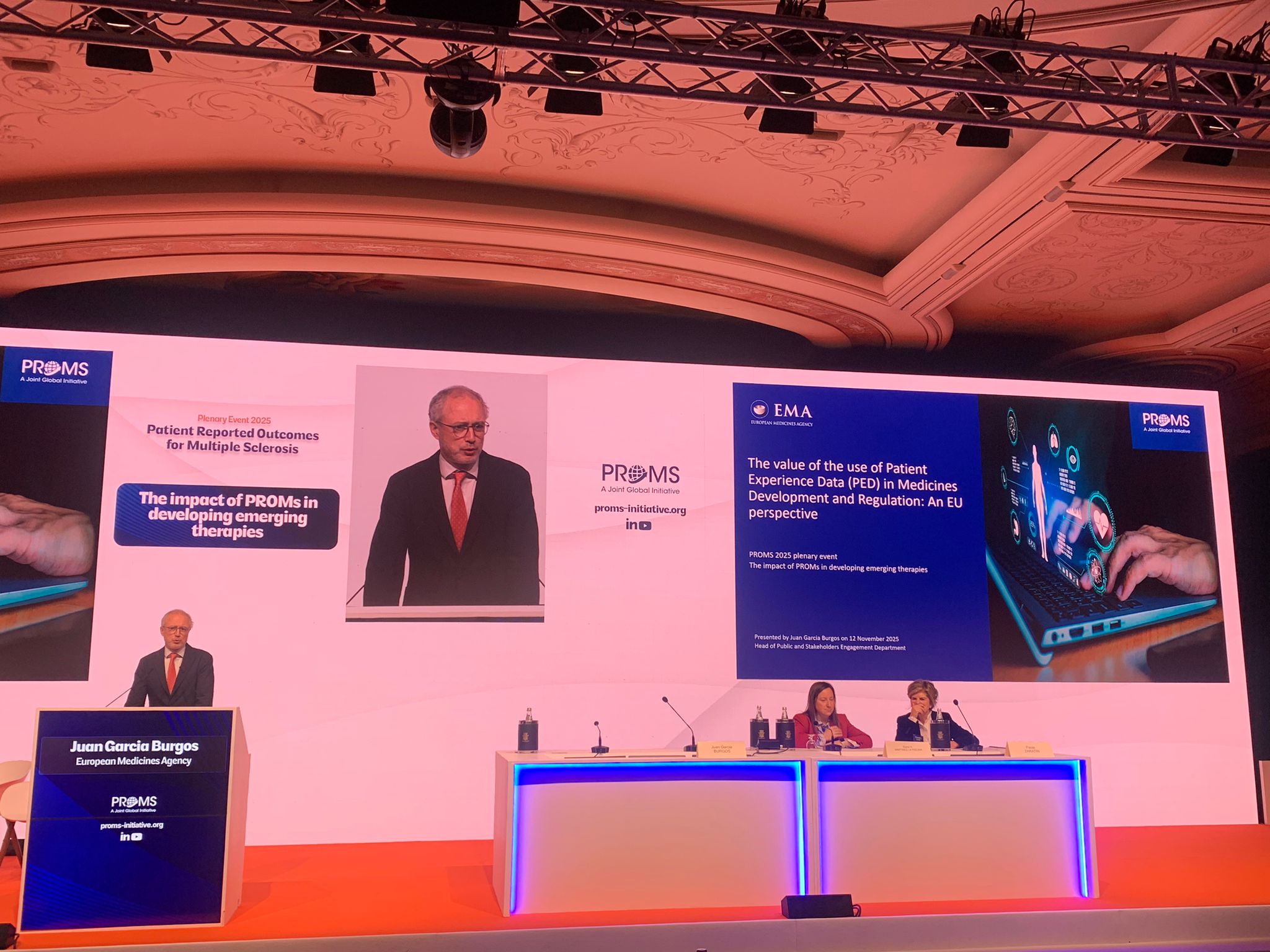
EMA Reflection Paper on Patient Experience Data (PED)
•Paradigm shift in regulation: The EMA’s Reflection Paper on PEDestablishes a framework to systematically integrate patient experience data — including PROMs, patient preference studies, and engagement data — into every stage of the medicine lifecycle.
•From assumptions to evidence: Regulatory science is evolving from assuming patient priorities to measuring them rigorously and continuously.
•Flexible, principle-based approach: Instead of rigid guidelines that age quickly, the EMA advocates for core principles and ongoing dialogue with developers to ensure PED remains relevant, validated, and informative for decision-making.
•Scientific advice open to innovators: EMA encourages early engagement (Innovation Task Force, Scientific Advice procedures) to validate new patient-reported tools, ensuring psychometric robustness and real-world usability.
•The patient voice as regulatory evidence: PROMs are no longer “soft data” — they’re regulatory-grade evidence shaping benefit-risk assessments and approval outcomes.
Session 2
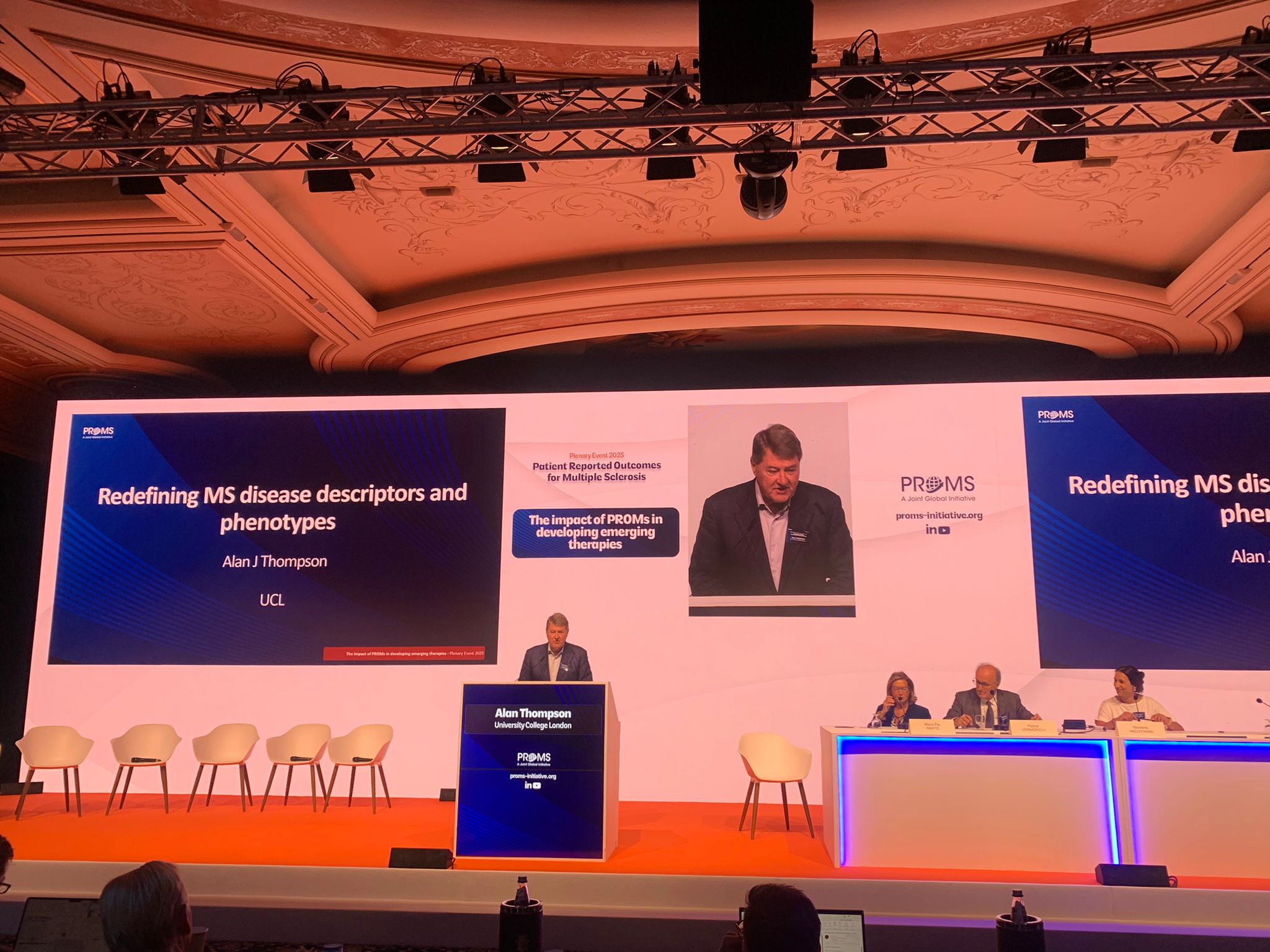
Bridging Biological Mechanisms and Clinical States: The Role of PROMs in Redefining MS
•From static labels to a living continuum: MS classification is moving beyond the Lublin–Reingold descriptors toward a biologically informed, multimodal continuum-based assessment model that connects susceptibility, prodrome, and progression.
•PROMs as experiential descriptors: PROMs reveal how patients experience disease — capturing dynamic symptom patterns and trajectories that can predict progression, complementing biological and imaging markers.
•Data-driven insight: Longitudinal and machine-learning analyses demonstrate that PROMs can define experiential phenotypes across traditional subtypes, paving the way for personalized care and research.
•Rethinking measurement: Modern psychometric frameworks like Rasch Measurement Theory (RMT) and Item Response Theory (IRT) provide scientifically sound methods to interpret PROM data with precision at both group and individual levels. Specialized training programmes for researchers and innovators would be highly beneficial to boost adoption of statistically legitimate and manageable measurement and analytics methods.
•Integrating biology and lived experience: The next generation of MS frameworks must unite molecular mechanisms, clinical data, and patient experience — treating PROMs as essential scientific descriptors, not just secondary endpoints.
Session 3
Aligning Stakeholders for PROs in Emerging Therapies
•Learning from rare diseases: The Myasthenia Gravis experience shows that systematically developed PROs can harmonize clinical, patient, and regulatory perspectives — creating a shared “language” for disease measurement and treatment goals.
•Industry alignment in progress: Pharma is increasingly embedding PROs across the drug lifecycle, but challenges remain around measure selection, comparability, operational logistics, and regulatory acceptance.
•Collaborative solutions emerging: Initiatives like the Critical Path Institute PRO Consortium and PROMS Working Groups are advancing validated, MS-specific PRO tools to streamline regulatory review and accelerate innovation.
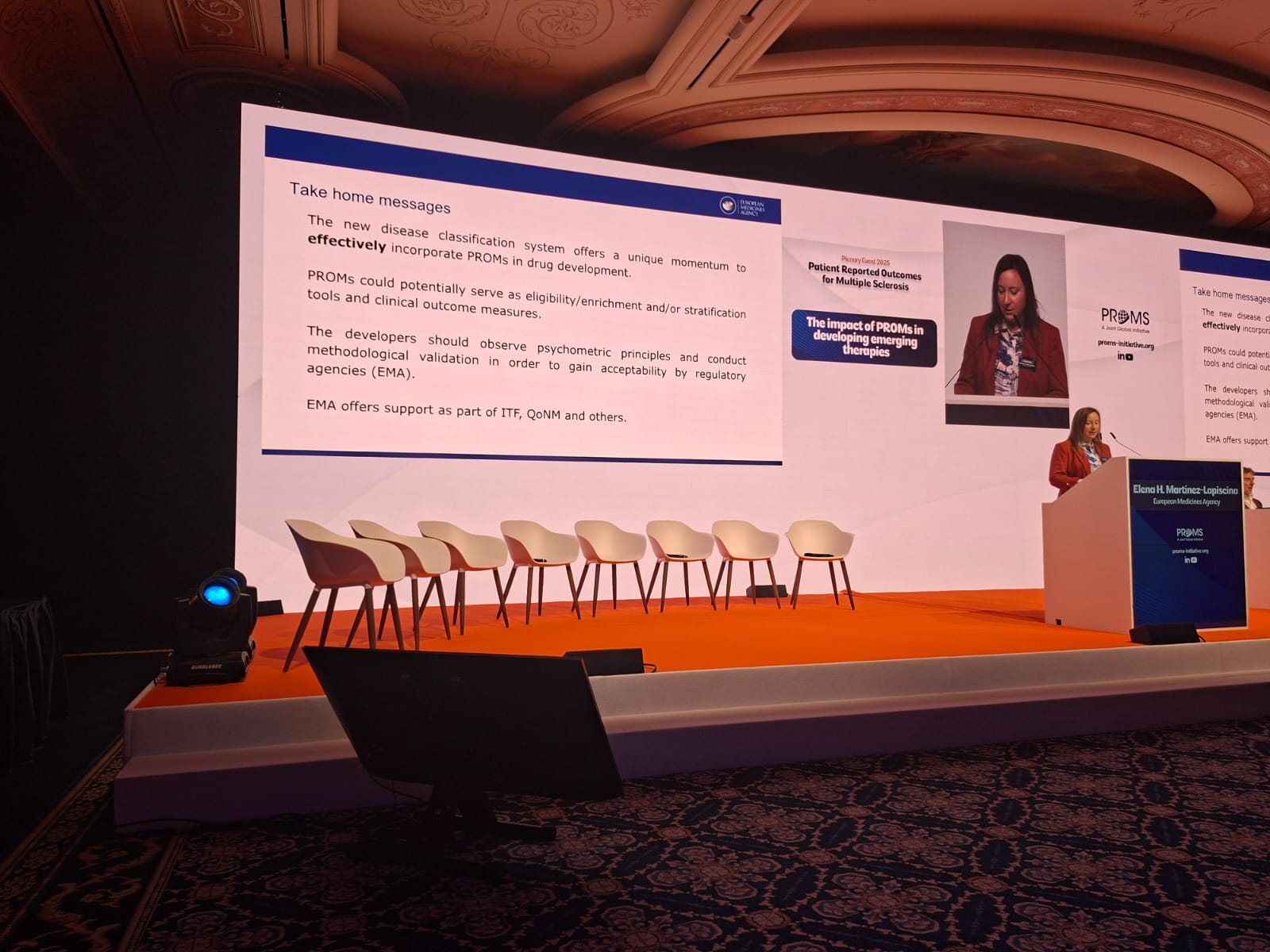
•Regulatory readiness: EMA recognizes the new momentum for PROMs in MS, promoting their use for eligibility, stratification, and outcome assessmentin trials — provided they meet standards of validity, reliability, responsiveness, and interpretability.
•Shared responsibility: Success depends on joint effort — researchers, industry, regulators, and patient organizations must co-design, validate, and implement PROMs to ensure they are both scientifically robust and meaningful to patients.
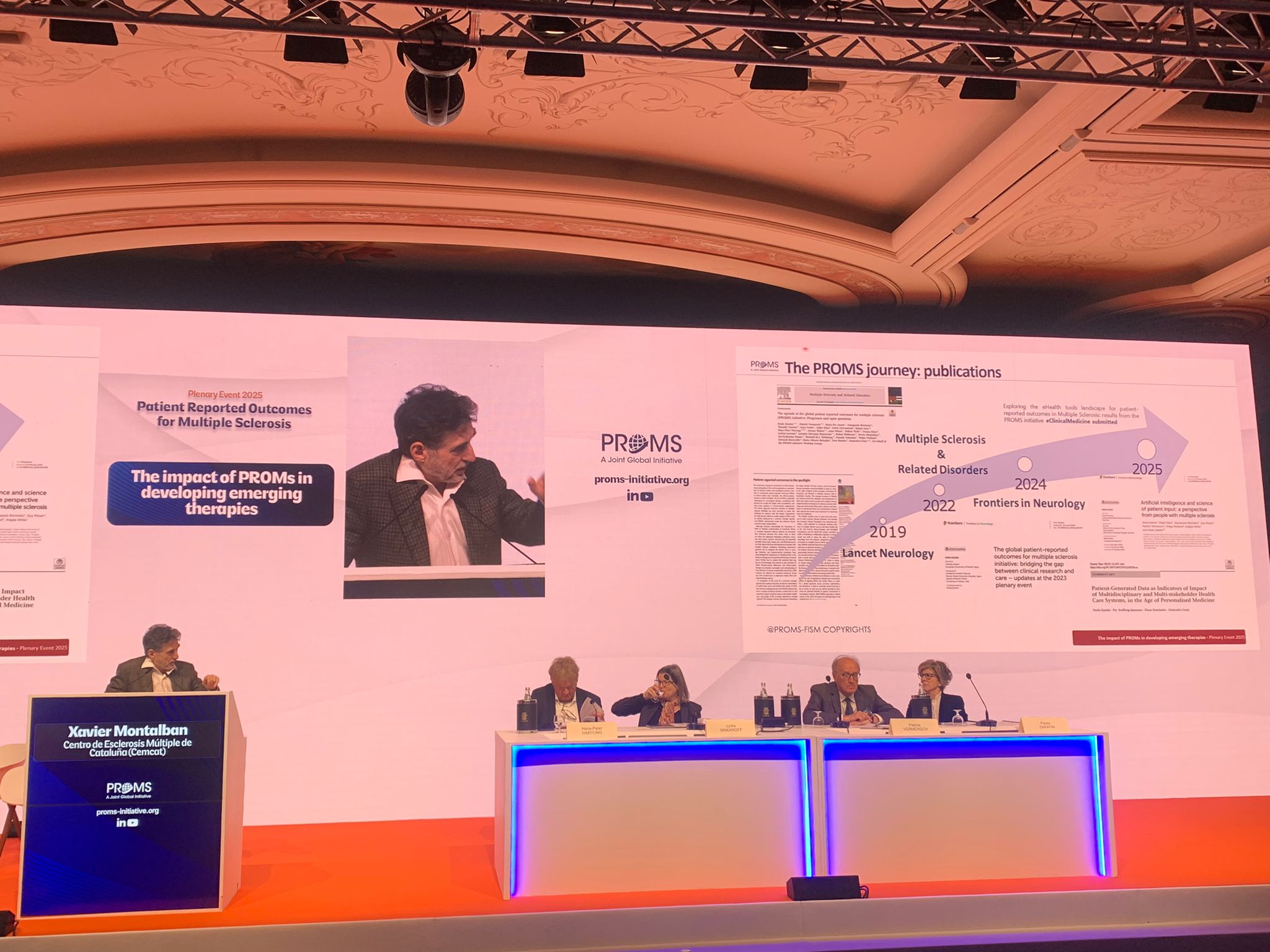
Session 4
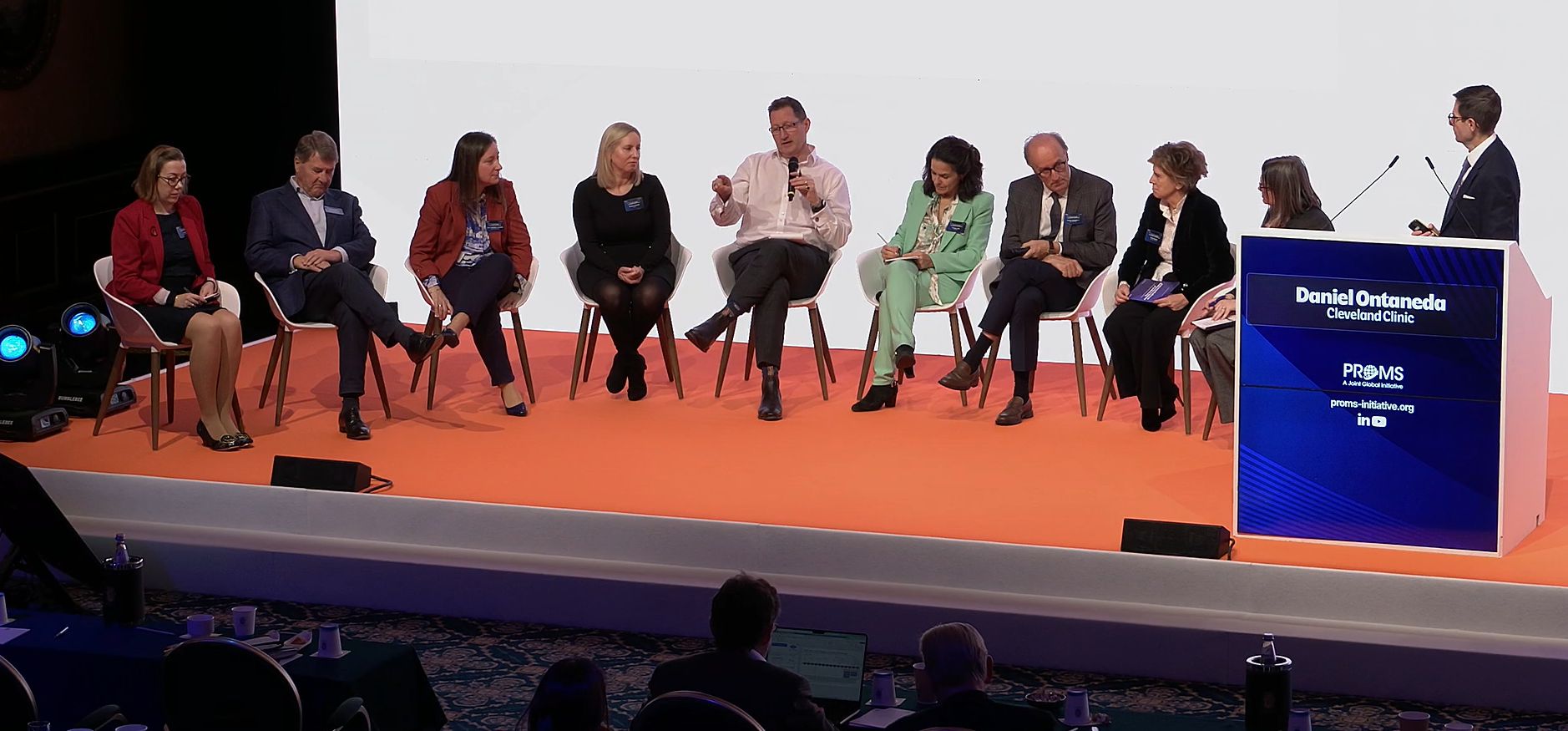
Potential Roadmap and Next Steps
•From concept to implementation: The panel, moderated by Daniel Ontaneda, outlined how PROMs can transition from concept to clinical and regulatory utility through structured collaboration.
•Clinical validation underway: Data presented by Carmen Tur demonstrated that patient-reported disability progression correlates strongly with MRI and quality-of-life outcomes, confirming PROMs’ ability to detect clinically meaningful change.
•Regulatory opportunity: Elena Martínez-Lapiscina highlighted this as a pivotal moment to anchor PROMs into the evolving MS disease classification, encouraging early engagement with EMA qualification processes.
•Industry perspective: Panelists stressed the need for harmonized global standards, sustainable data frameworks, and interoperable systems to enable long-term integration.
•Five shared priorities:
•Build a validated PROM reference library linked to biological and imaging data.
•Harmonize data standards across registries and digital platforms.
•Expand training in psychometrics and data interpretation.
•Engage regulators iteratively for qualification and alignment.
•Embed patients as active co-creators in tool development.
•Consensus message: PROMs are evolving from research outputs to operational infrastructure — the connective tissue between biological innovation, regulatory evaluation, and lived experience.